
MY. Cinema x Sofia DocuMental
MY.Cinema / Meetings of Young Cinema / Meetings of Young Cinema and Sofia DocuMental are partnering for the first time to present a special programme for young people. The films have been selected for children and young people and are accompanied by interactive discussions and workshops, allowing us to explore the themes and techniques of documentary filmmaking in greater depth.
PROGRAMME AT THE FRENCH INSTITUTE:
1 October · 14:00–16:30 · 17+
‘The Salisbury Poisonings: The Spy Next Door’
Screening followed by a discussion. How do the media cover major events? And what about documentary film? How does audiovisual content shape public opinion – and what we believe? An interactive screening with a post-film discussion.
2 October · 14:00–17:00 · 14+
Digital imagery – the NextUs platform
‘I Am Gen Z’
First, we’ll introduce NextUs – an online platform offering free access to documentary films for the classroom, created by a European consortium. What the platform is, how to
register, how to use it for free, and how to work with the films and their accompanying lesson plans. Next – a screening of “I Am Gen Z” on the impact of the digital revolution on society and mental health, followed by an interactive workshop: our image on social media.
3 October · 10:00–12:00 · 6+
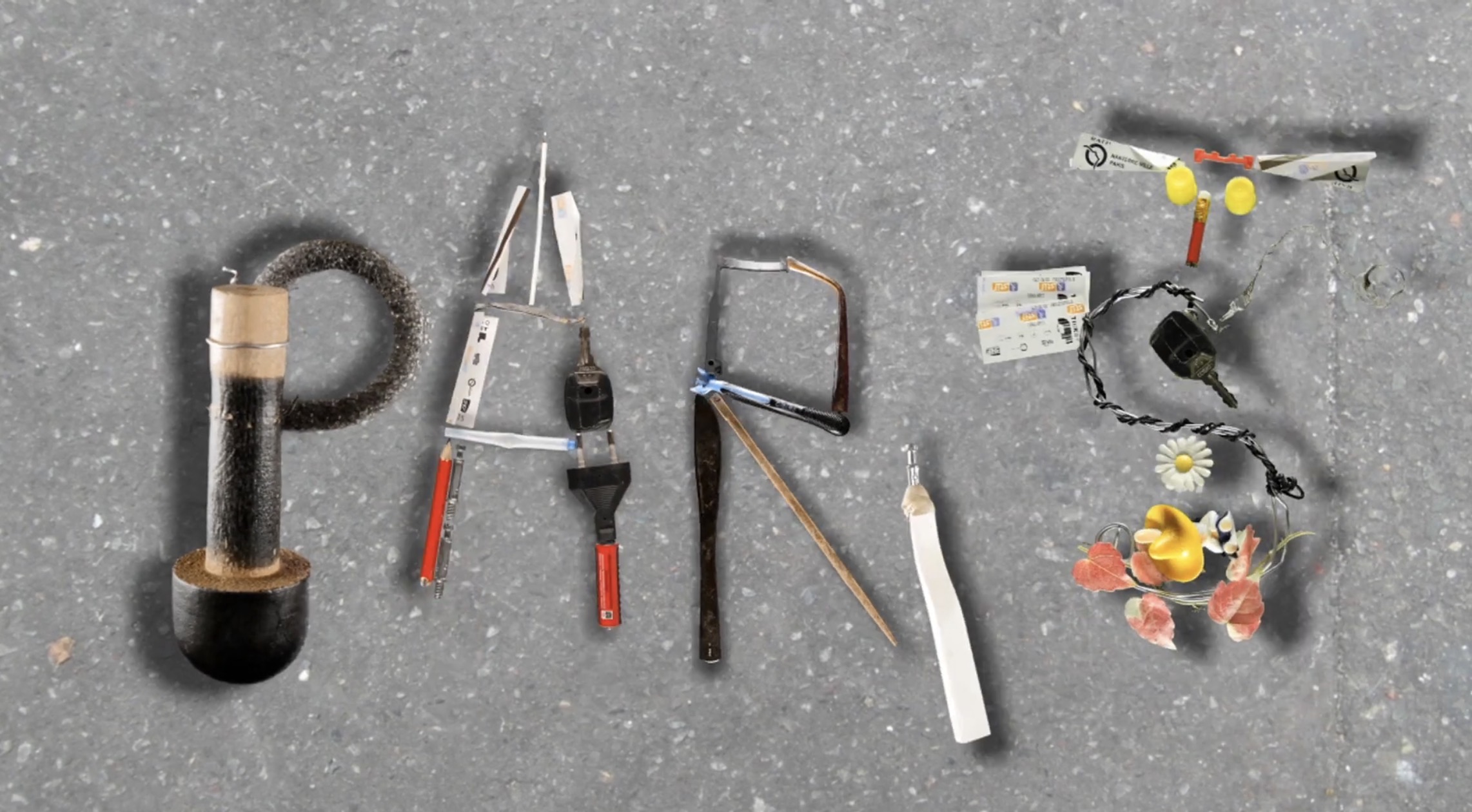
“Paris: A Recycling Workshop”
We’ll be watching a French stop-motion animation featuring creatures made from rubbish – a portrait of the city’s waste and the need to protect the place where we live. Bring along your washed-up rubbish – we’ll be making Sofia monsters together!
3 October 14:30–17:30 · 14+
Women Behind the Camera – a workshop for young people
The first female film director in history was the Frenchwoman Alice Guy-Blaché: in 1896, aged just 23, she shot one of the very first narrative films; she later ran her own studio and directed over 1,000 films – and yet she remained largely erased from the history of cinema for a long time. We watch short clips from films by female directors and discuss why these names remain relatively unknown – including on Wikipedia, where articles about female creators are few and incomplete. In the second part, we learn how to edit on Wikipedia: how to identify reliable sources, how to write neutrally, and how to expand or create articles.
In partnership with the French Institute in Bulgaria.
Supported by The British Council.